0
SHOPPING CART
BASKET EMPTY
CHECK THE PRODUCTS
CHECK THE PRODUCTS

Region:San Marcos, Tarrazu
Farm: Finca Aguas Buenas
Farmer: Diego Hidalgo
Variety: yellow catuai
Process: natural
Altitude: 2000masl
Harvest: 2022/22
Supplier: Belco
Espresso/Brew
250 gr Whole bean :
1kg whole bean :





Notes Of A Roaster From The Underground: Mango, tropics, molasses, rom
 Omni-roast (Espresso/Brew)
OMNIROAST or "absolute peak". We do not have different roasting profiles for espresso and drip brewing methods. We believe in their harmony. We underline the fact that you do not have to drink burnt coffee if you are drinking espresso or "sour" coffee if you are drinking drip coffee. Highlighting a cliche: "One day everybody will roast omni".
High in the Costa Rican rainforest in Santa Maria de Dota sits Diego Hidalgo's family farm and mill, La Bandera. Diego has planted rare varieties at the highest reaches of the farm, including the gesha plants that this microlot was picked from. In the wet mill, Diego has honed his processing techniques to an expert level.
The farm covers more than 100,000 square metres and has a wide variety of micro-lots and varieties, including Encino. This farm has the distinction of being located in a place where the wind blows from the Cerro de la Muerte, which is one of the highest hills in Costa Rica. This wind flow produces microclimates that are beneficial to coffee production. On the farm there are also protected areas with water sources, which help to provide water for all the farmers during the summer, hence the great importance of keeping these areas protected from logging and any type of pollution.
Diego is really impressive guy. Not only is he operating La Bandera, his own micromill where he processes coffees, but he is also managing and growing 10+ separate lots of coffee on his farm, called Aquas Buenas. He has an extremely deep understanding of the microclimate on his mountainside, which sits in a tropical cloud forest, allowing for the correct balance of temperature shifts, moisture, and air flow. Additionally, Diego has a vast avocado crop, which is not only a cash crop, but serves as a natural umbrella to the coffee shrubs during the rainy season, which avoids erosion of the soil, as well as providing shade during the dry season.
This yellow Catuai microlot comes from the Finca Aguas Buenas, located in the Tarrazu region.The Hidalgo family isolated this microlot and prepared it in anaerobic and natural fermentation.
"The natural process is very common in Costa Rica, however we are always experimenting and innovating in our processing. When the cherries arrive, we perform a floatation sort and then the cherries are placed on African beds for 12 days. Then the cherries are hermetically packed in bags for 10 days, then dried again on African beds for 3 days, then hermetically packed again for a time that will remain confidential (family secret!), then finally on African beds until the right moisture content is reached."

Coffee was planted in Costa Rica in the late 1700s, and it was the first Central American country to have a fully established coffee industry; by the 1820s, coffee was a major agricultural export with great economic significance to the population. National output was greatly increased by the completion of a main road to Puntarenas in 1846, allowing farmers to more readily bring their coffee from their farms to market in oxcarts—which remained the way most small farmers transported their coffee until the 1920s.
In 1933, the national coffee association, Icafe (Instituto del Café de Costa Rica), was established as an NGO designed to assist with the agricultural and commercial development of the Costa Rican coffee market. It is funded by a 1.5% export tax on all Costa Rican coffee, which contributes to the organization’s $7 million budget, used for scientific research into Arabica genetics and biology, plant pathology, soil and water analysis, and oversight of the national coffee industry. Among other things, Icafe exists to guarantee that contract terms for Costa Rican coffee ensure the farmer receives 80% of the FOB price (“free on board,” the point at which the ownership and price risks are transferred from the farmer/seller to the buyer).
Costa Rica contributes less than 1% of the world’s coffee production, yet it has a strong reputation for producing relatively good, if often mild quality. One way that Costa Rica has hoped to differentiate itself among coffee-growing nations is through the diversity of profiles in its growing regions, despite the country’s relatively small geographical size. Tarrazú might be the most famous of the regions: Its high altitudes contribute to its coffees’ crisp acidity. West Valley has a high percentage of Cup of Excellence winners, and grows an abundance of both the Costa Rica–specific varieties Villa Sarchi and Villa Lobos, as well as some of the more “experimental” varieties that have come here, such as SL-28 and Gesha. Tres Ríos coffee has a smooth, milder profile—perhaps more “easy drinking” with toffee sweetness and soft citrus than the more complex or dynamic Costas available. Central Valley has some of the most distinct weather patterns in the country, with well-defined wet and dry seasons: We have found some of the best natural processed coffees in this region.
In recent years, coffee producers are increasingly interested in using variety selection as another way to stand out in the competitive market: SL-28 and Gesha are becoming more common, and local varieties like Villa Sarchi (a dwarf Bourbon mutation found near the town of Sarchi) and Venesia (a Caturra mutation).

Another development that has helped Costa Rican coffee producers differentiate themselves is the proliferation of micromills, or private wet- and sometimes dry-milling facilities that individual producers or groups of smallholders will build in order to control the processing and lot separation of their coffees. By investing in equipment such as depulpers or demucilaging machines, producers can harvest, depulp, and process their coffees in a variety of ways without relying on third-party mills, which can cut down on operating costs as well as increase the asking price for coffees.
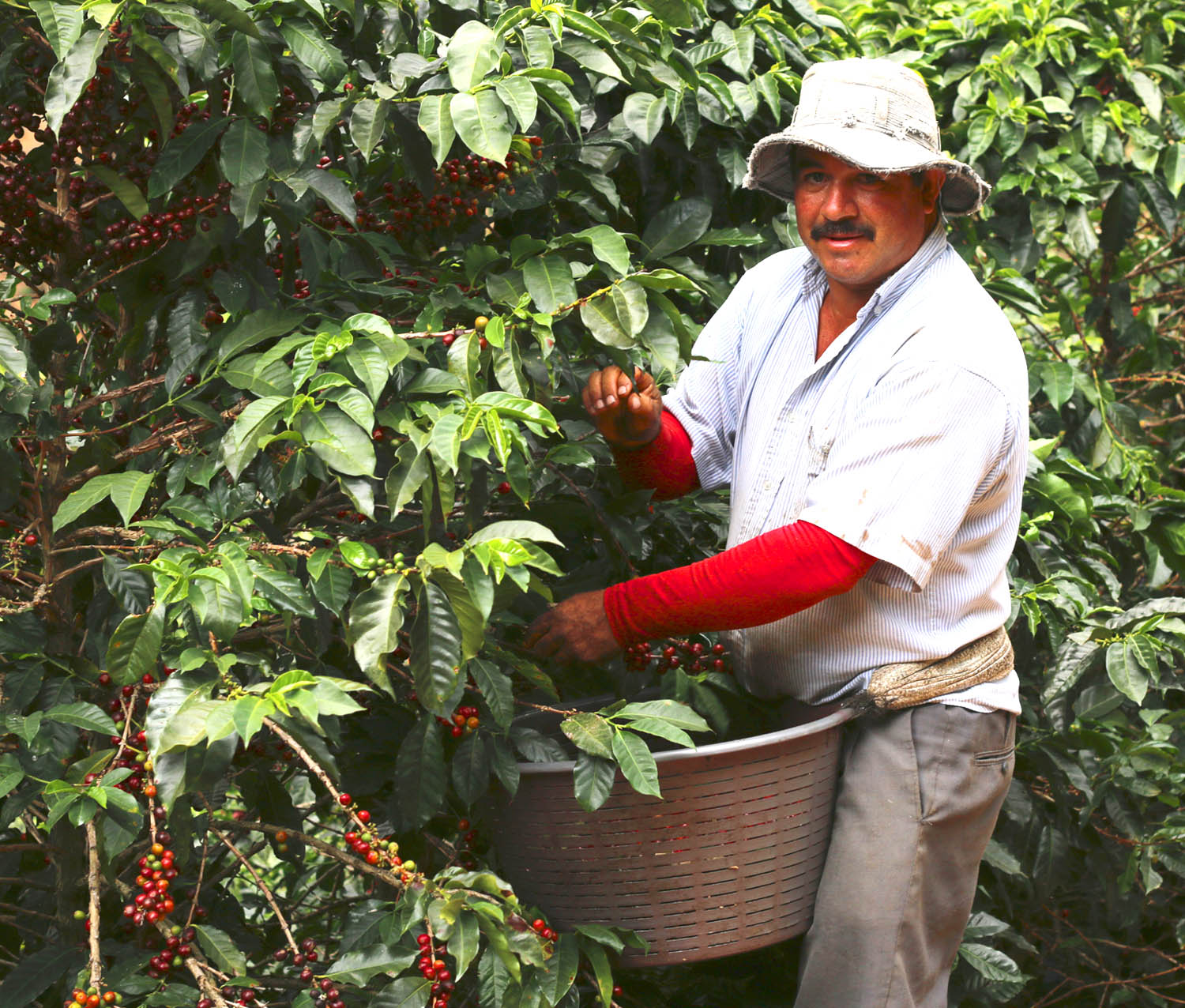
Micromills have also been at the forefront of the processing innovations that have put Costa Rican coffees in the spotlight over the past decade: Honey processing, a kind of hybrid of a washed and pulped-natural process that originated in Costa Rica, has been more and more popular and prevalent among fine, lot-separated specialty coffees, though the term “honey” and its variations will vary from mill to mill based on their techniques. At some mills, the type of honey process (typically yellow, red, or black) is achieved by removing a certain percentage of the mucilage before the coffee is dried; other mills leave 100% of the mucilage on all their honey coffees, and instead modify the drying technique to create the various honey style.
Natural processing is also rising in popularity, in part because the profile can command higher prices, and because water restrictions can make fully-washed coffees more expensive and difficult to produce.
One of the Costa Rica–specific production details is that coffee here is measured by volume, rather than weight. Each mill has a receiving area, where cherry is brought and deposited into metal boxes called cajuelas, or “trunks.” Twenty cajuelas equals roughly one fanega, which is the 100-pound unit of measure in which producer receipts are written.
When the cherry is picked ripe, the fruit is both bigger and heavier than if it is over- or underripe, which means it will take fewer cherry to fill a fanega, and will bring a higher overall price to the coffee farmer. The country produces an average of 1.8–2.2 million fanegas annually.