0
SHOPPING CART
BASKET EMPTY
CHECK THE PRODUCTS
CHECK THE PRODUCTS

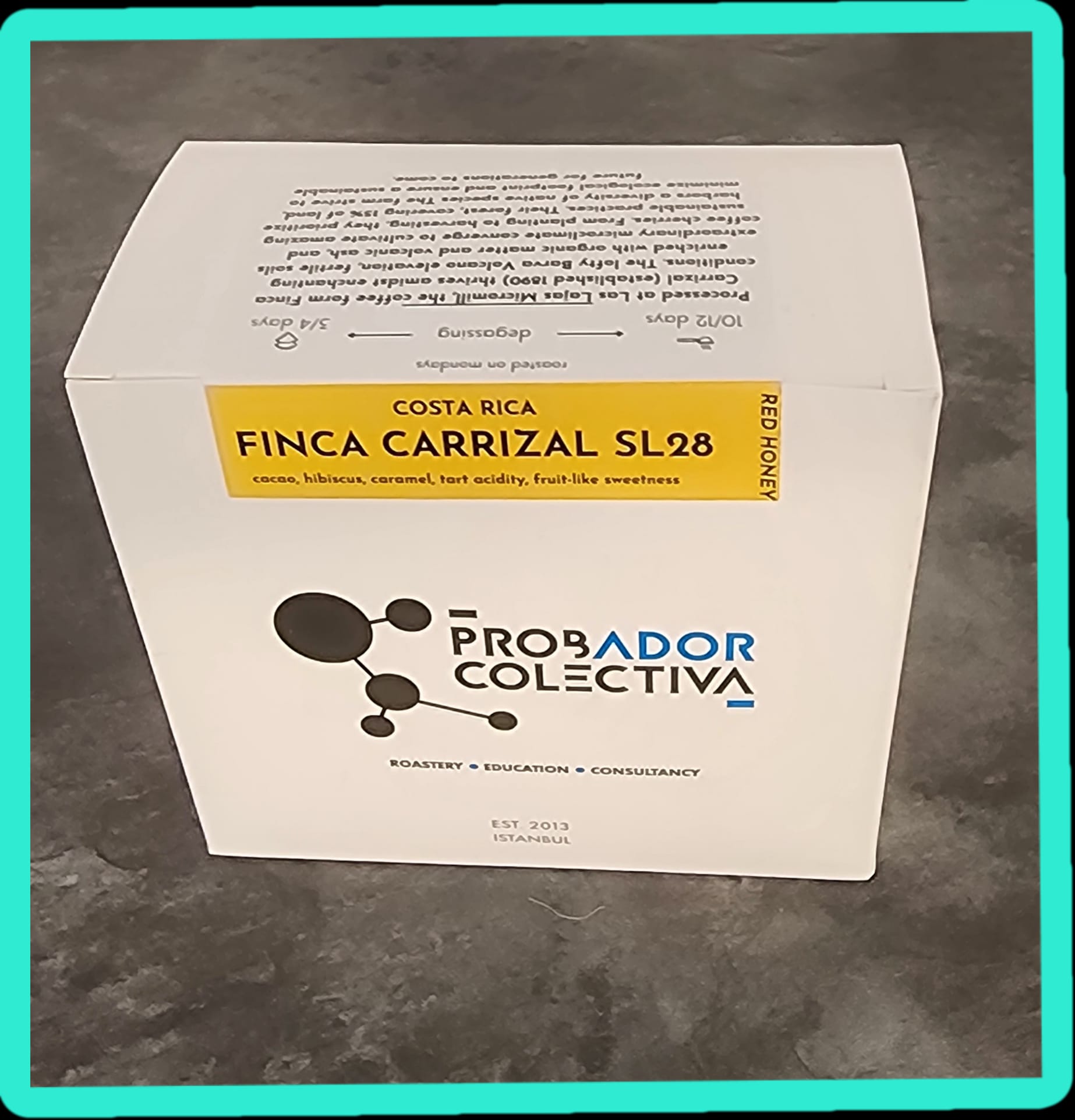
Region: Centrall Valley
Producer: Oscar&Francisca Chacon
Farm: Finca Carrizal
Variety: SL28
Process: Red Honey
Altitude: 1400-1600masl
Harvest: 2024/2025
Supplier: Cafe Imports
Espresso/Brew
250gr wholebean :
1kg whole bean :







Notes Of A Roaster From The Underground: passion fruit, juicy acidity, toffe, mild fruit sweetness
 Omni-roast (Espresso/Brew)
OMNIROAST or "absolute peak". We do not have different roasting profiles for espresso and drip brewing methods. We believe in their harmony. We underline the fact that you do not have to drink burnt coffee if you are drinking espresso or "sour" coffee if you are drinking drip coffee. Highlighting a cliche: "One day everybody will roast omni".
Processed at Las Lajas Micromill, the coffee form Finca Carrizal (established 1890) thrives amidst enchanting conditions. The lofty Barva Volcano elevation, fertile soils enriched with organic matter and volcanic ash, and extraordinary microclimate converge to cultivate amazing coffee cherries. From planting to harvesting, they prioritize sustainable practices. Their forest, covering 15% of land, harbors a diversity of native species The farm strive to minimize ecological footprint and ensure a sustainable future for generations to come.
Established in 1890, Finca Carrizal thrives amidst enchanting conditions, yielding the finest gourmet coffee. The lofty Barva Volcano elevation, fertile soils enriched with organic matter and volcanic ash, and extraordinary microclimate converge to cultivate robust coffee cherries with unmatched qualities. Each bean is meticulously hand-picked, ensuring that every sip of Finca Carrizal coffee transports you to a realm of sensory enchantment.
From planting to harvesting, they prioritize sustainable practices in every stage of their process. Their forest, covering 15% of our land, harbors a diversity of native species The farm strive to minimize their ecological footprint and ensure a sustainable future for generations to come.
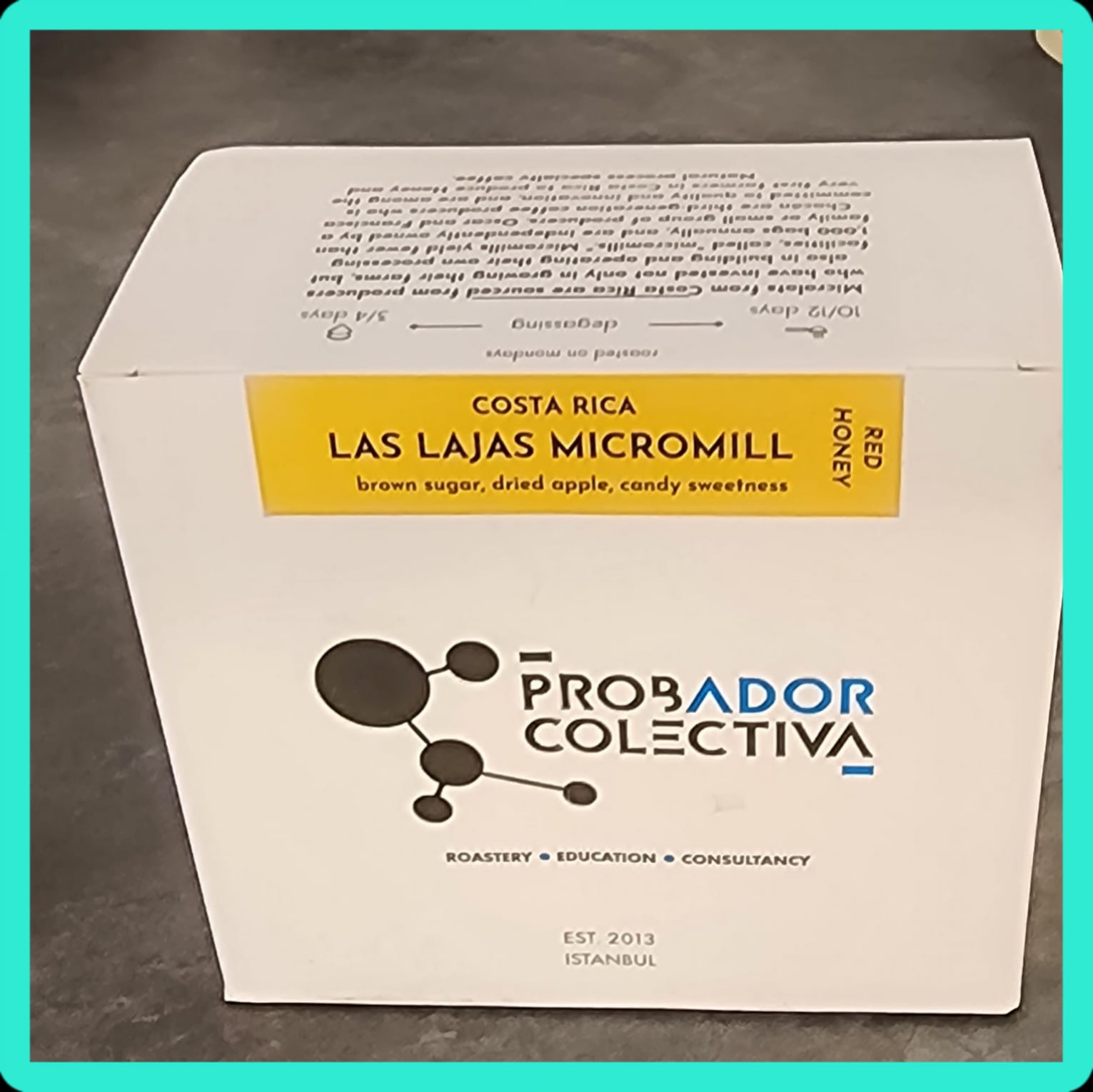
Micromill: Las Lajas
Oscar and Francisca Chacón are third-generation coffee producers, but the coffee is more than just in their family heritage: It's in their hearts and souls as well. The couple is committed to quality and innovation, and are among the very first farmers in Costa Rica to produce Honey and Natural process specialty coffee.In 2005, after years of delivering their cherry to a cooperative for the going market price, they decided to join the brand-new "micromill revolution" and buy their own depulper to have more control over the quality and the price they received for their lots. "At first, we didn't know what we were doing," Oscar explains. "We were just experimenting." That experimentation led to some of the most exciting new flavor profiles we have ever tasted: Now, the Chacons produce a wide range of Honey process coffees, modulating the drying time in order to create different effects in the cup.Necessity bred more innovation for the family when an earthquake in 2008 wiped out electricity and water to their area during the harvest. Unable to run the depulpers or to wash the mucilage off to produce Washed lots, Francisca took inspiration from her knowledge of African coffee production and quickly built raised beds on the property. Their Natural lots caught the attention of Cafe Imports' founder Andrew Miller, and the rest is both history and our-story. Las Lajas owns and the following farms for cultivating their coffees: Calle Liles, Calle San Juan, Los Angeles, Los Pinitos, Sabana Redonda, Sabanilla, San Luis, Calle Lajas.Here is a list of their most common processes and what steps are taken to achieve
them:ProcessDescription Drying TimeResting timeWhite Honey This is a semi- washed process, where the ripe beans brought from the farm are classified to obtain those with a high percentage of brix degrees, then depulped and the mucilage removed mechanically. The coffee is immediately transferred to the greenhouse patio for dehydration. During the first day of drying, movements are carried out around 3 times until the end of this process; This being a mechanical demucilagenation, the seed maintains a certain amount of honey during the drying process.From 3 to 4 days60 days or until exportation Yellow HoneyThis is a honey process, where the ripe beans brought from the farm are classified to obtain those that are 100% ripe, then they are depulped and immediately transferred to raised beds. During the first day periodic movements are made (3 to 4 times a day), this with the aim of reducing the humidity of the coffee. This is an extremely fast drying process.One week60 days or until exportation Red Honey This is a honey process where once the ripe beans have been classified, they are pulped, leaving 100% of the mucilage and then transferred to raised beds. On the first day of drying, the beans do not receive any movement until the second day, when they begin to move twice a day, to reduce the humidity of the coffee.From 7 to 15 days60 days or until exportation Black HoneyThis is a honey process where the cherries must first be classified and then pulped and transferred to raised beds. During the first 2 days, the beans do not receive any movement until the third day, when they begin to make periodic movements (3 to 4 times a day) to reduce the humidity of the coffee.From 15 to 20 days60 days or until exportation Alma NegraIt is a natural process, where the coffee fruit are first classified to obtain those 100% ripe cherries with a high level of brix degrees. Later they are placed on a raised bed for their dehydration process for at least a week, where they will be removing several times a day. After a week has passed, the cherries are transferred to the greenhouse patio, where during the day they are kept in a thin layer to absorb the heat of the sun and during the night they are collected in the form of a mound. This same process is repeated the next day until drying is complete.From 20 to 30 days60 days or until exportation Perla NegraThis is a natural process, where the ripe coffee beans with a high percentage of brix degrees are taken to raised beds where they will be in a thin layer receiving the sun, after a week the beans will rest in the shade (cold ) to be later transferred to the greenhouse patio to continue its dehydration, in which the cherries are moved twice a day, which makes it an extremely slow drying process.From 22 to 30 days60 days or until
exportation Yellow DiamondThis is an Anaerobic Honey process, in which, after selecting the cherries with high brix degrees, they are depulped, leaving them with 100% of the mucilage, immediately transferred to an anaerobic fermentation tank, where it rests for around 84 hours. Once the fermentation time is over, the coffee is taken to raised beds for dehydration, stirring it twice a day until the drying process is completeFrom 15 to 20 days60 days or until exportation Black DiamondThis is a natural aerobic process, where once the cherries are harvested, they are transferred to the mill for their classification, where only those with a high percentage of brix degrees are chosen. After this they are transferred to the greenhouse patio for their dehydration. During the first week the cherries are placed in a thick layer, in order to ferment aerobically. After this first week the coffee is spread in a thin layer until the drying process is finishedFrom 20 to 30 days60 days or until exportation

Coffee was planted in Costa Rica in the late 1700s, and it was the first Central American country to have a fully established coffee industry; by the 1820s, coffee was a major agricultural export with great economic significance to the population. National output was greatly increased by the completion of a main road to Puntarenas in 1846, allowing farmers to more readily bring their coffee from their farms to market in oxcarts—which remained the way most small farmers transported their coffee until the 1920s.
In 1933, the national coffee association, Icafe (Instituto del Café de Costa Rica), was established as an NGO designed to assist with the agricultural and commercial development of the Costa Rican coffee market. It is funded by a 1.5% export tax on all Costa Rican coffee, which contributes to the organization’s $7 million budget, used for scientific research into Arabica genetics and biology, plant pathology, soil and water analysis, and oversight of the national coffee industry. Among other things, Icafe exists to guarantee that contract terms for Costa Rican coffee ensure the farmer receives 80% of the FOB price (“free on board,” the point at which the ownership and price risks are transferred from the farmer/seller to the buyer).
Costa Rica contributes less than 1% of the world’s coffee production, yet it has a strong reputation for producing relatively good, if often mild quality. One way that Costa Rica has hoped to differentiate itself among coffee-growing nations is through the diversity of profiles in its growing regions, despite the country’s relatively small geographical size. Tarrazú might be the most famous of the regions: Its high altitudes contribute to its coffees’ crisp acidity. West Valley has a high percentage of Cup of Excellence winners, and grows an abundance of both the Costa Rica–specific varieties Villa Sarchi and Villa Lobos, as well as some of the more “experimental” varieties that have come here, such as SL-28 and Gesha. Tres Ríos coffee has a smooth, milder profile—perhaps more “easy drinking” with toffee sweetness and soft citrus than the more complex or dynamic Costas available. Central Valley has some of the most distinct weather patterns in the country, with well-defined wet and dry seasons: We have found some of the best natural processed coffees in this region.
In recent years, coffee producers are increasingly interested in using variety selection as another way to stand out in the competitive market: SL-28 and Gesha are becoming more common, and local varieties like Villa Sarchi (a dwarf Bourbon mutation found near the town of Sarchi) and Venesia (a Caturra mutation).

Another development that has helped Costa Rican coffee producers differentiate themselves is the proliferation of micromills, or private wet- and sometimes dry-milling facilities that individual producers or groups of smallholders will build in order to control the processing and lot separation of their coffees. By investing in equipment such as depulpers or demucilaging machines, producers can harvest, depulp, and process their coffees in a variety of ways without relying on third-party mills, which can cut down on operating costs as well as increase the asking price for coffees.
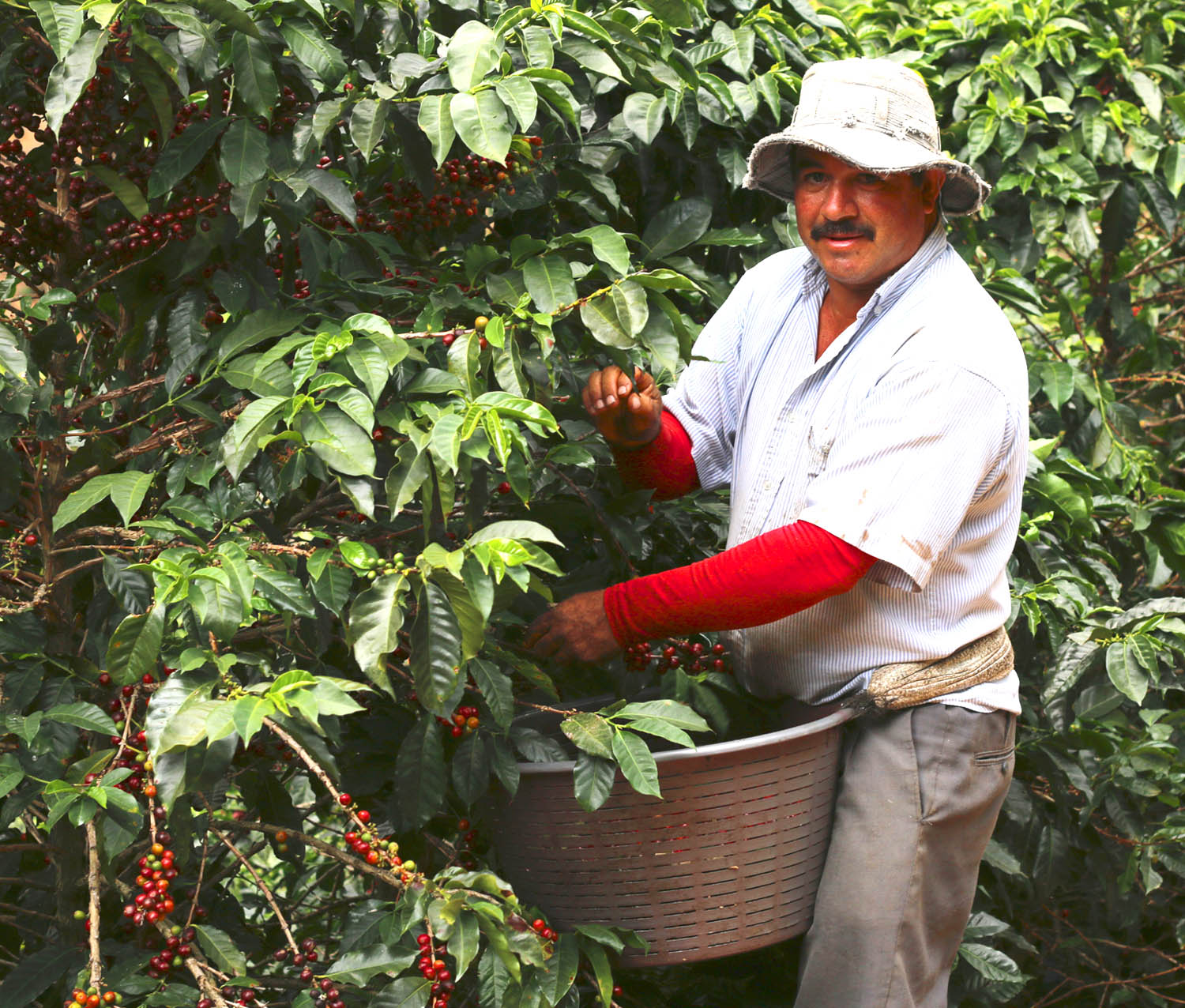
Micromills have also been at the forefront of the processing innovations that have put Costa Rican coffees in the spotlight over the past decade: Honey processing, a kind of hybrid of a washed and pulped-natural process that originated in Costa Rica, has been more and more popular and prevalent among fine, lot-separated specialty coffees, though the term “honey” and its variations will vary from mill to mill based on their techniques. At some mills, the type of honey process (typically yellow, red, or black) is achieved by removing a certain percentage of the mucilage before the coffee is dried; other mills leave 100% of the mucilage on all their honey coffees, and instead modify the drying technique to create the various honey style.
Natural processing is also rising in popularity, in part because the profile can command higher prices, and because water restrictions can make fully-washed coffees more expensive and difficult to produce.
One of the Costa Rica–specific production details is that coffee here is measured by volume, rather than weight. Each mill has a receiving area, where cherry is brought and deposited into metal boxes called cajuelas, or “trunks.” Twenty cajuelas equals roughly one fanega, which is the 100-pound unit of measure in which producer receipts are written.
When the cherry is picked ripe, the fruit is both bigger and heavier than if it is over- or underripe, which means it will take fewer cherry to fill a fanega, and will bring a higher overall price to the coffee farmer. The country produces an average of 1.8–2.2 million fanegas annually.